Book

AT THE HEART OF CASA COYAIMA LIES A DEEP LOVE FOR COLOMBIA AND FOR THE COFFEE TRIANGLE REGION

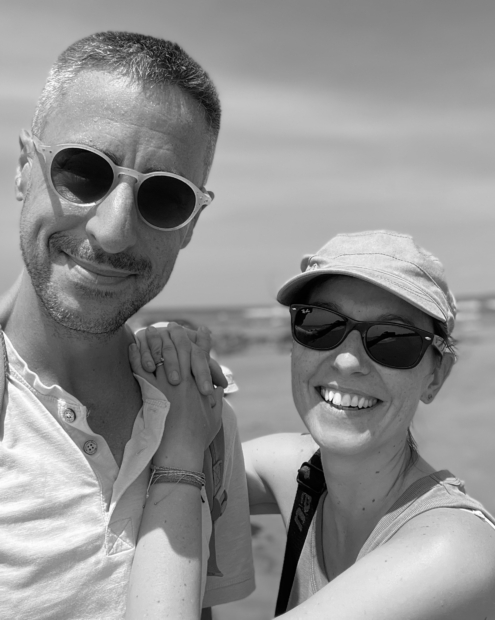
We lived here several times, sometimes on our own, sometimes together, including a long period in Pereira while working abroad. Then, a few years later, we found ourselves drawn back, almost inevitably. We knew we needed to be here, with our three children.

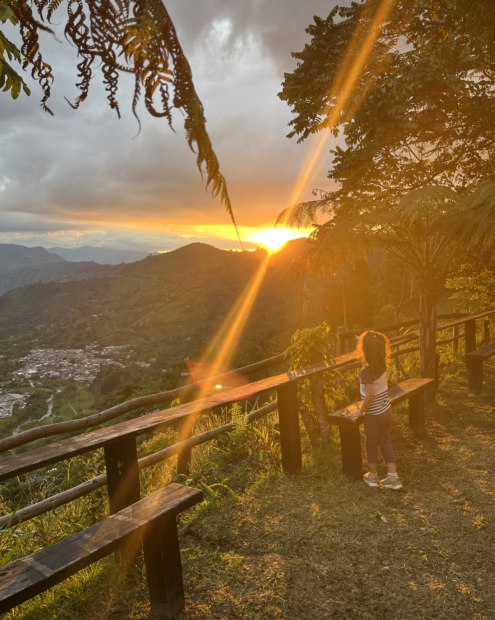
The lands of Casa Coyaima sit high in the mountains at 2,000 metres above sea level, overlooking the Andean cordillera. From the very first days, our family felt at home here — calmer, closer, more connected. There was something special about this place.

We knew we could not keep this place to ourselves. The question became: how could we share it with others?
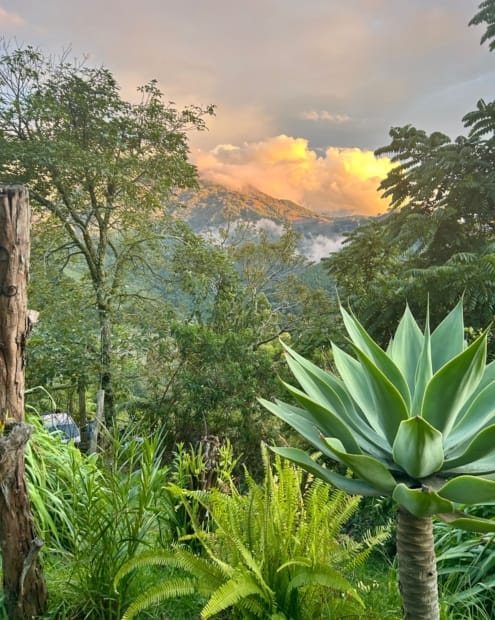
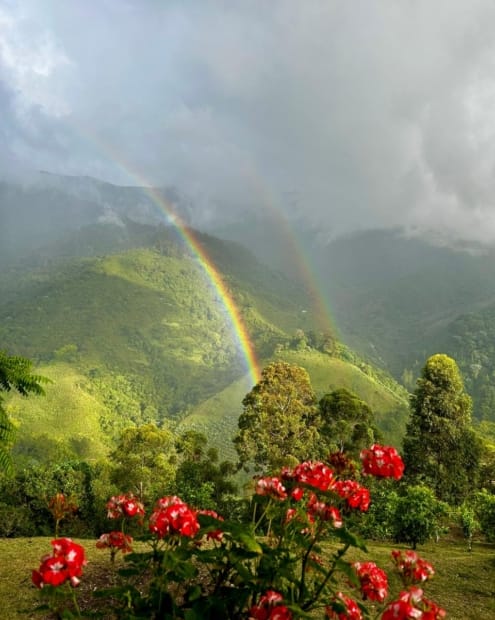
Our first priority was to care for the land. In 2023, we launched an ambitious reforestation programme, reintroducing native trees, planting fruit trees and adding species chosen to protect both the ecosystem and the soil.
Coffee also lies at the heart of the project. Guided by a thoughtful and responsible approach, we planted 4,000 coffee trees across six so-called exotic varieties. Every step of our production is fully organic, from seed to harvest. We started with no experience at all, learning directly from the land, studying, experimenting and growing alongside those who know it best. Today, we are delighted to share our specialty coffee with our guests.

At the same time, we worked to secure a reliable water supply, from the spring itself through to a complete filtration system, ensuring clean drinking water at all times.

Over these two years of restoration and renewal, solar panels were also installed and now provide the energy needed for the entire project.
Once nature had begun to flourish again, and water and energy had been secured, we found ourselves returning to the same question:
How could we share this remarkable place?

We never set out to create a hotel in the traditional sense, with its norms and constraints. In truth, we still struggle to find the right word for this place. Ecolodge? Sustainable retreat? Neither quite captures what Casa Coyaima is about.
What we have created is, above all, a place that reflects who we are and the values we hold dear. Drawing on more than twenty years of experience in travel and hospitality, and inspired by the people, places and ideas we have encountered along the way, we have shaped our own vision of welcoming others.

We welcome our guests in the same way we enjoy being welcomed ourselves: simply and genuinely, in discreet, comfortable and elegant surroundings where one can immediately feel at ease. A place that feels like home, with space to slow down, connect, share stories, or simply let the mind wander.
As for ostentatious luxury, it has never been our style. Instead, you will find spacious stilt cabins, thoughtfully designed, beautifully appointed, and immersed in nature.

Human connections have always been at the heart of our journeys.
The KMØ – Casa de Viajeros, the central gathering place of Casa Coyaima, is where it all began. It was once a family space where we spent countless hours with our children. When rebuilding it, we carried forward the same intentions and the same vision of hospitality.
At KMØ, you might find us around, enjoy a coffee at any time of day, take in the panoramic views from the terrace, rest, listen to music, join in with the cooking, chat with fellow travellers, or gather around a board game. It is a place for sharing, learning, exchanging ideas and meeting others.
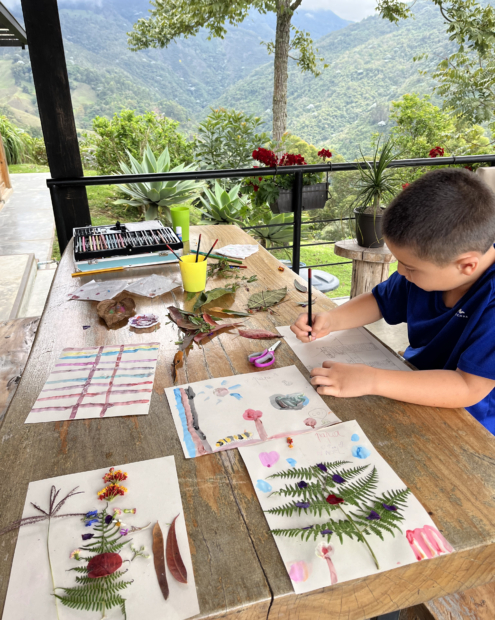
We have travelled with our three children since they were very young, and travel — along with the encounters it brings — has always been an essential part of their lives. Here, children discover a place that is remote, natural and a little untamed. Everything has been designed so that families feel welcomed, valued and at ease. Children are not simply accepted here — they are genuinely welcome.

The place has been designed in harmony with its natural surroundings. Two spacious stilt cabins overlook either the valley or the village, each imagined by an architect who works with responsibly sourced materials and forms inspired by the living world. Our family cabin has been expanded with a living roof and is available to guests whenever we are not staying here ourselves.
Many of the most meaningful moments are shared around the table. La Chagra, our large kitchen garden, provides part of the produce used in the restaurant, and everyone is welcome to take part in its care and harvest.
This is a place where only a small number of guests are welcomed at any one time, preserving a sense of space, calm and connection.
Here, everyone shapes their own experience. You choose the balance between privacy and connection, set your own pace, and follow your own interests, while we are here to guide and support you whenever needed.

If you have made it this far, you have probably realised that no description can truly define this place. And that is intentional: Casa Coyaima is not something to be explained, but something to be experienced.
Everyone finds their own way of being here.
Still, if we were to answer the question — Who is Casa Coyaima for? — we might say this:
Casa Coyaima is an intimate retreat nestled among the coffee trees. It is for those seeking:

  • A discreet and understated form of luxury, paired with a warm and welcoming atmosphere
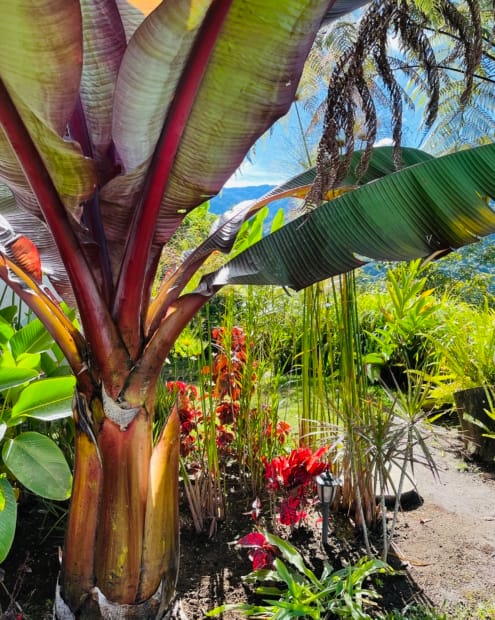
  • A close connection with nature and the opportunity to discover the remarkable biodiversity of the region
  • Honest, locally inspired cuisine, nourished in part by our kitchen garden, La Chagra
  • An introduction to the world of coffee through our young and carefully cultivated plantation
  • Meaningful experiences shaped by the rhythm of village life and the hidden treasures of the valley, far from noise and visual clutter
  • The freedom to slow down, follow your own pace and live without schedules or constraints
  • A deeper connection with sustainable initiatives through the projects supported by our foundation

By the way, what does Casa Coyaima mean?
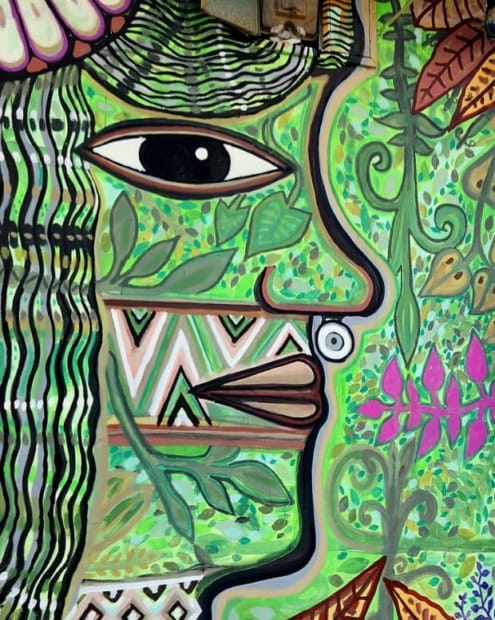
“Coyaima” refers to an Indigenous people who once lived throughout this part of the Andean cordillera. Alongside the Pijao and Nataigama peoples, they fiercely resisted Spanish colonisation.
Their courage and resilience remain an important part of the valley’s identity to this day. In fact, the names of the towns of Pijao and Coyaima, in the Tolima region, were never Hispanicised, unlike many neighbouring settlements.
For those interested in learning more, a small collection of artefacts from these Indigenous communities can be seen at the museum in Pijao, near the church.